




Understanding Bed Bug Infestations
Bed bug infestations are a growing concern for households and businesses alike. These tiny pests thrive in areas where people sleep, feeding on human blood, and are exceptionally adept at remaining undetected. Understanding their behavior, lifecycle, and signs of infestation is crucial for effective bed bug pest control and prevention. In this article, we will explore the nature of bed bugs, how they operate, and the implications of neglecting a bed bug problem.
What Are Bed Bugs and How Do They Work?
Bed bugs, scientifically known as Cimex lectularius, are small, nocturnal insects that feed primarily on the blood of humans and animals. Adult bed bugs are approximately ¼ inch long, reddish-brown, and flat, making them challenging to spot. They are often mistaken for other pests like fleas or ticks. Bed bugs do not fly but can move quickly across surfaces. They reproduce rapidly, with a single female capable of laying up to 500 eggs in a lifetime, making infestations hard to control if left unchecked.
Signs of Bed Bug Infestation in Your Home
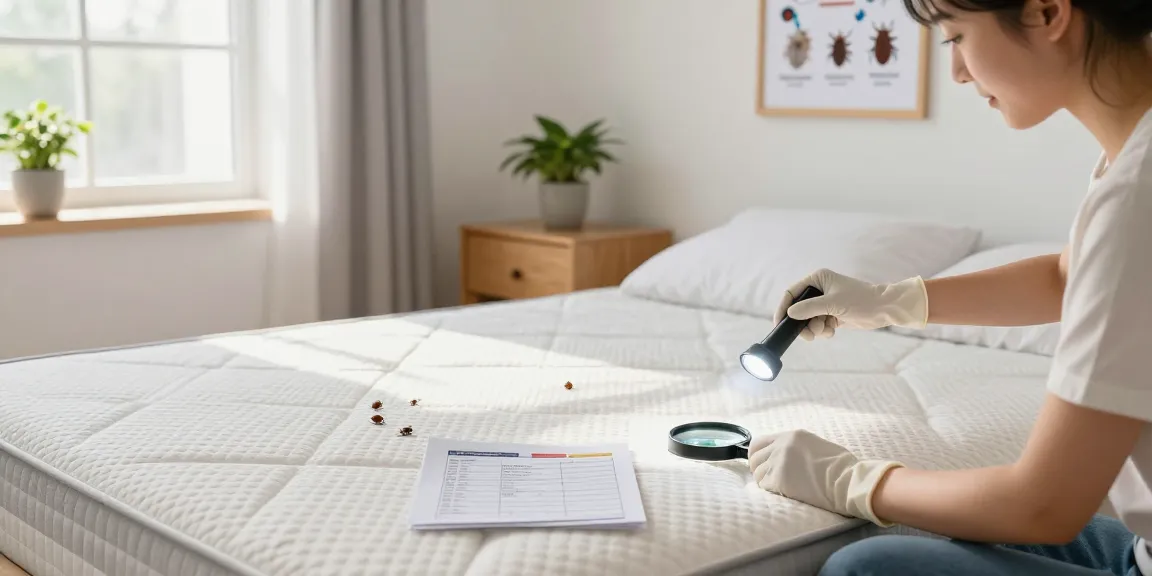
Identifying a bed bug infestation early can save you time, money, and stress. Common signs include:
- Itchy, red welts on the skin, typically appearing in clusters or lines
- Dark spots on your bedding or furniture, which are bed bug excrement
- Small bloodstains on sheets or pillowcases from crushed bugs
- Eggs or molted skins in hidden areas around the bed or furniture
The Risks of Ignoring Bed Bugs
Failing to address a bed bug infestation can lead to significant health risks, including allergic reactions and secondary infections from scratching bites. Additionally, bed bugs can cause psychological distress due to anxiety about being bitten while sleeping. In a commercial setting, an infestation could result in negative reviews and financial losses if customers feel unsafe. Therefore, early detection and intervention are vital.
Bed Bug Pest Control Methods
When it comes to controlling bed bug infestations, several treatment options are available. Understanding the strengths and weaknesses of various approaches can empower homeowners and businesses to make informed decisions about pest control.
Comparing Professional Treatments: Heat vs. Chemical
Heat treatment and chemical treatments are the two primary methods used for bed bug extermination. Heat treatment involves raising the temperature of the affected area to a level that is lethal to bed bugs and their eggs, usually around 120°F (49°C). This method is effective as it penetrates fabrics and surfaces where bed bugs hide. On the other hand, chemical treatments use specially formulated insecticides that can provide lasting barriers against re-infestation.
Understanding the Process of Bed Bug Extermination
Effective bed bug extermination typically follows a systematic process:
- Inspection: A thorough visual inspection by a professional to identify the extent of the infestation.
- Treatment: Applying selected methods, whether heat or chemical, depending on the situation.
- Follow-up: Conducting follow-up inspections to ensure the effectiveness of the treatment and addressing any remaining issues.
Cost Analysis: Value of Professional Services
The cost of professional bed bug pest control services can vary based on the size of the infestation and the methods used. While some may view these costs as high, it is crucial to consider the value provided. Professional exterminators offer expertise, guaranteed results, and save you from the potential costs associated with prolonged infestations, such as replacing mattresses and furniture. Investing in professional treatment often proves less expensive in the long run.
DIY Bed Bug Control: Effective or Not?
Many homeowners may consider do-it-yourself (DIY) methods in an effort to save money. However, understanding the effectiveness of these methods is essential in tackling bed bug problems.
Common DIY Methods and Their Effectiveness
DIY methods often include using non-toxic sprays, essential oils, or home remedies like diatomaceous earth. While some of these may kill individual bugs on contact, they typically lack the efficacy needed for full infestation control. Bed bugs are resilient, and most DIY methods do not reach hidden populations effectively.
Risks Associated with DIY Treatments
Employing DIY methods can often delay professional intervention, leading to a more severe infestation. Additionally, improper use of chemicals can pose health risks to you and your family, and may damage property. Without a thorough understanding of bed bug behavior and effective treatment procedures, DIY solutions may offer a false sense of security.
When to Seek Professional Help
If you suspect a bed bug infestation, it is often best to consult with a pest control expert. Indicators such as consistent bites, visible signs of bed bugs, or a suspected infestation should prompt you to seek professional assistance. The right approach can provide peace of mind and effective results.
Preventing Future Bed Bug Infestations
Prevention is just as critical as control when it comes to bed bugs. Implementing strategies to minimize risks can save you considerable trouble in the future.
Best Practices for Home Maintenance
Maintain a clean home environment to reduce bed bug risks. Frequently wash and dry bedding on high heat, vacuum regularly, and inspect secondhand furniture before bringing it home. Using bed bug-proof mattress encasements can also be an effective preventive measure.
How to Protect Your Home While Traveling
Bed bugs are often introduced into homes via luggage from travel. When staying in hotels, inspect the mattress and surrounding furniture for signs of infestation. Keep luggage elevated off the ground and away from beds.
Setting Up a Bed Bug Monitoring System
Consider using bed bug interceptors under bed legs to monitor for activity. These devices can help detect the presence of bed bugs early, allowing for prompt action before they can spread.
Frequently Asked Questions About Bed Bug Control
How Do I Know If I Have Bed Bugs?
Common indicators of a bed bug infestation include itchy bite marks on the skin, small blood stains on linens, and dark spots of excrement. Conducting a thorough inspection of your sleeping areas can help confirm suspicions.
Are Professional Treatments Safe for Children and Pets?
Many modern pest control treatments are designed to be safe for children and pets when used appropriately. However, it is essential to discuss any concerns with your pest control professional ahead of treatment to ensure the safety of your family and pets.
How Long Does Treatment Take to Work?
Depending on the method used, results may vary. Heat treatments can provide immediate results, while chemical treatments may take several days to show effectiveness. Follow-up inspections are crucial to track progress.
What Should I Do After Treatment?
After treatment, it’s advisable to continue monitoring for signs of bed bugs. Maintain cleanliness and follow any recommendations provided by your pest control professional to prevent re-infestation.
What Are the Signs of Successful Bed Bug Control?
Successful bed bug control is indicated by a reduction in visible signs of the insects, absence of bites, and no further evidence of eggs or fecal matter. Regular follow-ups with pest control can help ensure lasting results.



More Stories
Understanding Grants and Pre-Post Award Compliance: Key Strategies for Success
Mastering Grants and Pre-Post Award Compliance for Success
Age Verification System for Beginners: Essential Insights for Compliance in 2026