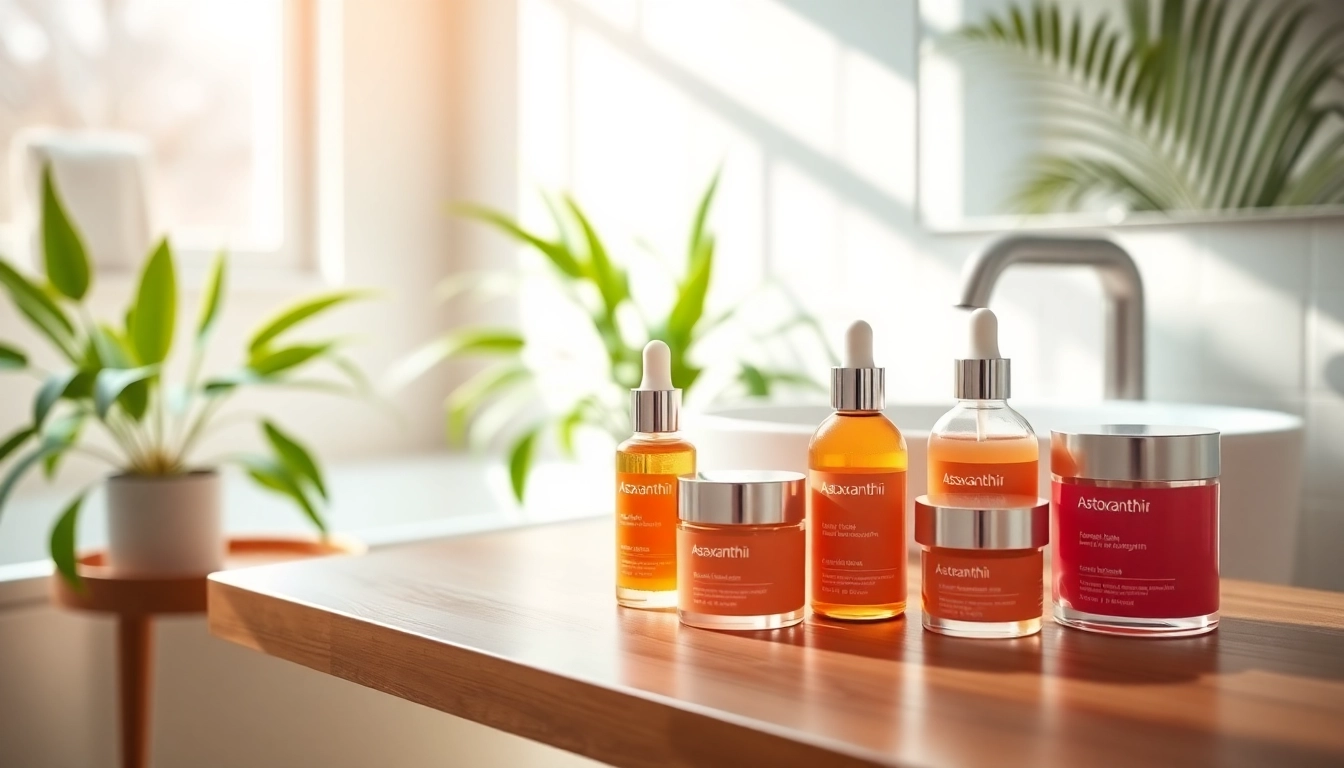
Understanding Astaxanthin and Its Skin Benefits
What is Astaxanthin?
A powerful carotenoid found naturally in certain algae and seafood, astaxanthin is renowned for its vibrant red-orange pigment. This nutrient not only contributes to the color of salmon, shrimp, and flamingos but also boasts remarkable health benefits, particularly for the skin. Does astaxanthin help skin? Absolutely, its properties extend far beyond pigmentation, offering a range of benefits that can enhance skin health, fighting signs of aging and improving overall complexion.
How Does Astaxanthin Help Skin Naturally?
Astaxanthin's skin benefits come from its ability to combat oxidative stress and inflammation at the cellular level. As a potent antioxidant, it neutralizes free radicals generated by sun exposure, pollution, and lifestyle factors, which can lead to premature skin aging. By minimizing oxidative damage, astaxanthin not only protects against environmental stressors but also promotes healing and rejuvenation of skin cells, resulting in a more youthful appearance.
Key Nutritional Benefits for Skin Health
The nutritional profile of astaxanthin is impressive, encompassing not just antioxidant capabilities but also anti-inflammatory properties. This carotenoid helps improve skin hydration, elasticity, and tone. Furthermore, it supports the production of collagen, a crucial protein for maintaining skin structure and firmness. Regular consumption or application of astaxanthin-rich products can lead to visible improvements in skin texture and resilience.
Mechanisms of Action: How Astaxanthin Affects Skin
Antioxidant Properties Explained
Astaxanthin is often heralded as "king of the carotenoids" due to its unrivaled antioxidant potency—about 6000 times stronger than Vitamin C. This active compound effectively protects skin from UV damage, which can cause sunspots, wrinkles, and a loss of elasticity. By scavenging harmful free radicals, astaxanthin helps mitigate the skin's photoaging process, promoting a healthier and more vibrant complexion.
Reducing Inflammation and Skin Damage
Inflammation plays a significant role in various skin conditions, including acne, psoriasis, and eczema. Astaxanthin effectively reduces inflammation by modulating the body's immune response and decreasing the production of pro-inflammatory molecules. Regular use can help soothe irritated skin and can be particularly useful for individuals with sensitive skin types prone to redness and irritation.
Enhancing Collagen Production
Collagen is essential for maintaining skin firmness and elasticity, and studies have shown that astaxanthin can enhance collagen production in skin cells. By stimulating collagen synthesis, this carotenoid aids in reducing the appearance of fine lines and wrinkles, contributing significantly to overall skin youthfulness. In combination with other supportive nutrients, it can help in restoring the skin's natural barrier and moisture retention capabilities.
Incorporating Astaxanthin into Your Skincare Routine
Choosing the Right Products
When selecting skincare products that contain astaxanthin, it's crucial to choose those with a high concentration of this active ingredient. Look for serums, creams, or oils that feature astaxanthin prominently on the ingredient list. Additionally, products that list other antioxidants and nourishing agents can enhance the effects of astaxanthin, providing a synergistic benefit that supports overall skin health.
Dosage Recommendations for Optimal Results
The dosage of astaxanthin can vary depending on the form of application. For topical products, follow the usage instructions on the label, typically using them once or twice daily. If taking astaxanthin as a dietary supplement, studies suggest a dose ranging from 4 to 12 mg per day can be effective for skin-related benefits. Always consult with a healthcare provider before beginning any new supplement regimen.
Mixing Astaxanthin with Other Ingredients
Astaxanthin can be effectively combined with other beneficial ingredients for enhanced skin effects. For instance, when paired with hyaluronic acid, astaxanthin's hydrating properties can be maximized, supporting moisture retention in the skin. Additionally, combining it with Vitamin E or coenzyme Q10 can further amplify its antioxidant effects, leading to a more luminous and youthful appearance.
Real-Life Results: Studies on Astaxanthin
Clinical Studies Supporting Skin Benefits
Numerous clinical studies have substantiated the skin benefits of astaxanthin. One significant study focused on women aged 35-55, demonstrating that participants who consumed astaxanthin experienced marked improvements in skin hydration, elasticity, and reduced fine lines after just a few weeks of use. These findings underscore astaxanthin's potential as a natural remedy for promoting skin health.
User Testimonials and Experiences
User testimonials often highlight transformative effects from incorporating astaxanthin into their skincare routines. Individuals report improved skin tone, reduced redness, and a noticeable increase in overall radiance. Many users appreciate how astaxanthin provides both immediate and long-term benefits, making it a favorite among those seeking natural and effective skincare solutions.
Before and After Comparisons
Before and after comparisons serve as powerful evidence of astaxanthin's effectiveness. Many users have documented their skin transformations, displaying visible improvements in the appearance of fine lines, wrinkles, and overall skin quality after consistent application or supplementation of astaxanthin. These comparisons serve to inspire those contemplating the use of astaxanthin for their skin health.
Frequently Asked Questions
1. Can astaxanthin be taken orally for skin benefits?
Yes, astaxanthin can be ingested as a dietary supplement to promote skin health and overall well-being.
2. How long does it take to see results from astaxanthin?
Most users may begin seeing visible improvements in their skin within 4 to 12 weeks of consistent use.
3. Are there any side effects of using astaxanthin?
Generally, astaxanthin is safe for most individuals, but some may experience mild digestive upset or allergic reactions.
4. Is astaxanthin effective for all skin types?
Astaxanthin is beneficial for all skin types; however, those with specific conditions should consult a dermatologist.
5. How does astaxanthin compare to other skincare ingredients?
Astaxanthin is more potent than many common antioxidants, providing superior protection against oxidative stress while enhancing skin hydration and elasticity.