Understanding the Landscape of Political Challenges
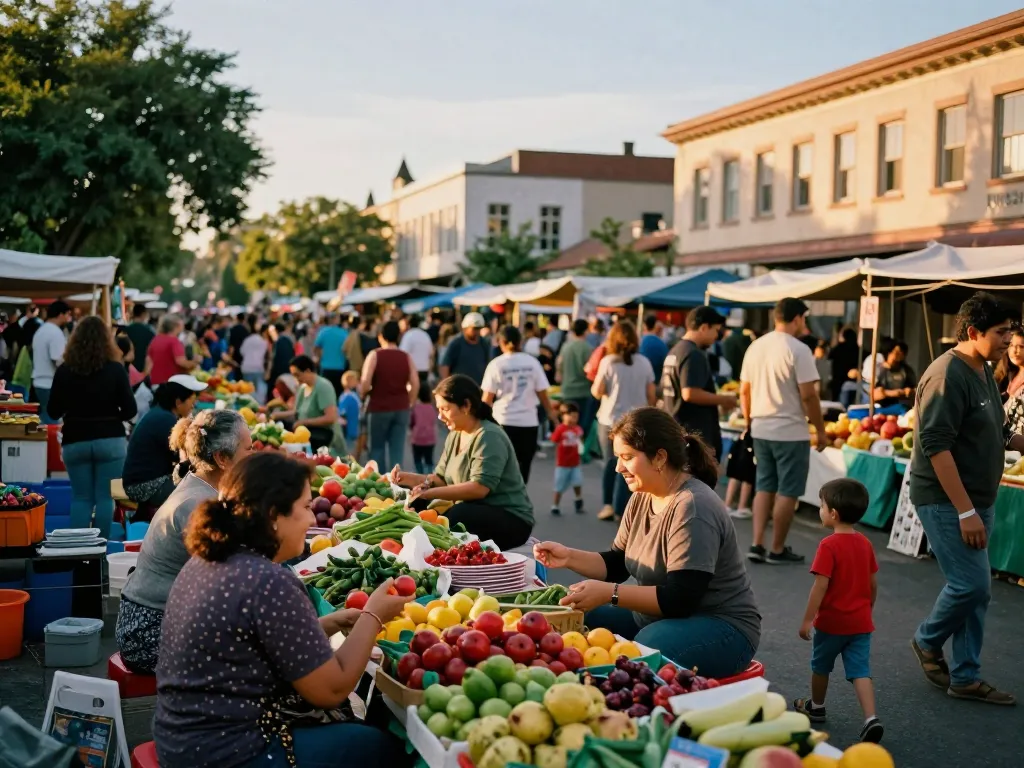
In today's world, communities across the globe are facing serious political challenges that can manifest as anxiety, frustration, and confusion. With the rapid flow of information and the prevalence of social media, understanding these challenges becomes essential for individuals and communities alike. Insights into how political issues impact daily life can empower citizens to engage meaningfully within their communities. For instance, facing serious political circumstances requires both knowledge and strategic action.
Defining Political Anxiety: What You Need to Know
Political anxiety is a common response to the overwhelming nature of contemporary politics. It often arises from feeling powerless against systemic issues or witnessing divisive rhetoric. This form of anxiety can lead to feelings of isolation and helplessness. Recognizing political anxiety is crucial as it affects individuals' mental health and their capacity to engage constructively with the political process.
The Impact of Current Events: Trends for 2026
As we look ahead to 2026, several trends are shaping the political landscape. The rise of populism, increasing polarization, and the impact of climate change are all pivotal factors influencing public discourse. Understanding these elements will be vital for anyone looking to navigate the complexities of today’s political climate effectively. Research shows that public trust in institutions is at an all-time low, making political engagement more critical than ever.
Common Misconceptions About Political Engagement
Many individuals believe that political engagement is solely for activists or those with formal education in political science. However, this misconception undermines the power of ordinary citizens in shaping their communities. Political engagement comes in various forms, from voting to attending town hall meetings, and everyone’s voice matters. Overcoming these misconceptions can help bridge the gap between different community factions and inspire collective action.
Identifying Key Issues Facing Communities
Understanding the specific political challenges that local communities face is essential for productive engagement. Each community has unique issues depending on its demographics, economic status, and cultural background. Identifying these key issues allows citizens to tailor their efforts toward meaningful change.
Local vs. National: Where to Focus Your Efforts
It’s often easier for individuals to engage with local political issues than national ones due to their immediate impact. Local issues, such as zoning laws, public transport, and education funding, can be directly influenced by community activism. Conversely, national issues might feel distant and overwhelming. A balance between local and national focus allows citizens to foster change at both levels.
Recognizing Voices: Who Is Most Affected?
Political challenges often disproportionately affect marginalized groups. Recognizing whose voices are most impacted by political decisions is crucial for equitable advocacy. Engaging with these communities ensures that their needs and struggles are represented. By creating platforms for these voices, society can foster greater understanding and collaboration.
Case Studies: Successful Community Responses to Political Issues
Looking at successful community responses can provide valuable insights into effective strategies. For example, the grassroots movement in Flint, Michigan, which emerged in response to the water crisis, showcases how local outrage can drive substantial change. Activists successfully brought national attention to the issue, leading to policy changes. Documenting and analyzing these case studies can help other communities adopt similar strategies.
Strategies for Effective Political Communication
Effective communication is key to addressing political challenges. Knowing how to articulate concerns and engage with others is crucial for fostering dialogue and action.
How to Engage in Constructive Political Dialogue
Engaging in constructive political dialogue requires patience and empathy. Active listening and acknowledging different viewpoints can pave the way for productive discussions. It is essential to remain calm and articulate when discussing political issues, especially in emotionally charged environments. Finding common ground can help bridge divides and foster collaborative solutions.
Utilizing Social Media for Political Advocacy
In the digital age, social media plays an integral role in political activism. Platforms like Twitter, Facebook, and Instagram can amplify messages and mobilize support. However, it's critical to use these tools responsibly by fact-checking information and promoting constructive dialogue. Social media should serve as a platform for education and engagement rather than division.
Best Practices for Hosting Community Discussions
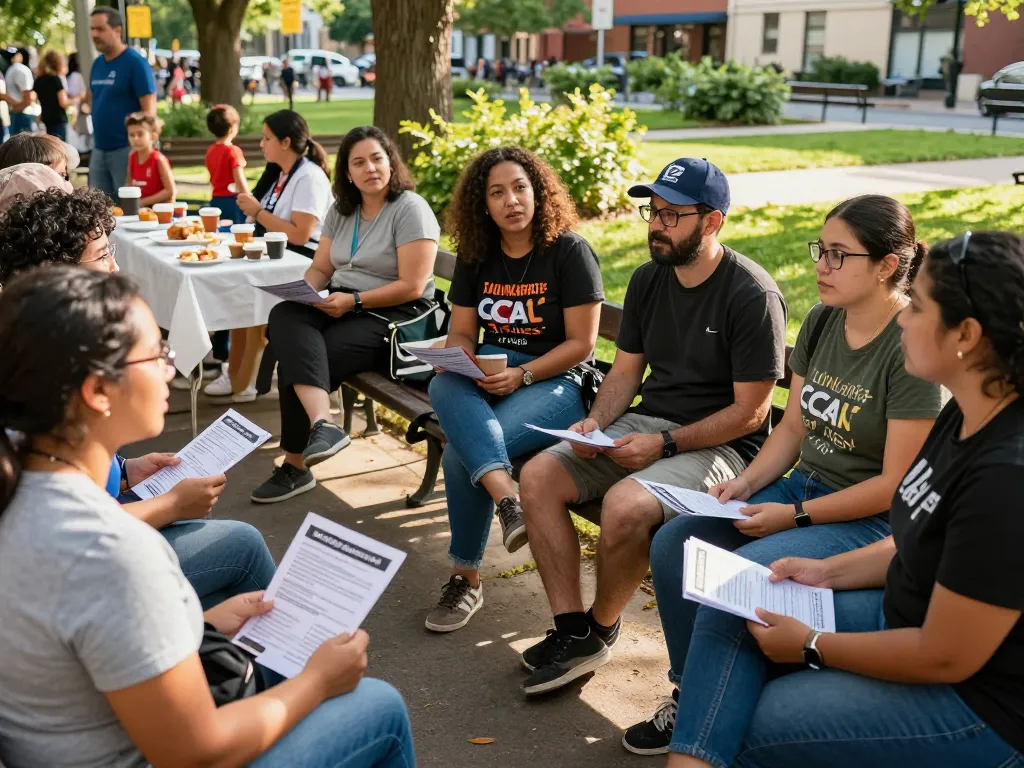
Hosting community discussions requires careful planning. Here are some best practices to consider:
- Set clear goals for the discussion.
- Create a safe and inclusive environment.
- Encourage participation from diverse voices.
- Facilitate rather than dominate the conversation.
- Follow up with actionable steps post-discussion.
These practices can lead to more meaningful conversations and foster community cohesion.
Managing Personal Response to Political Stress
Amidst ongoing political turbulence, managing personal responses to political stress is essential for mental well-being. Learning how to cope with this stress can bolster resilience in the face of challenges.
Techniques for Reducing Political Anxiety
There are several techniques individuals can use to manage political anxiety effectively:
- Limiting news consumption to prevent overload.
- Engaging in mindfulness or meditation practices.
- Discussing feelings with trusted friends or family members.
- Finding healthy outlets for stress, such as exercise.
Building a Support Network: Importance of Community
Having a supportive community can significantly reduce political stress. Connecting with like-minded individuals fosters a sense of belonging and shared purpose. Support networks can provide encouragement, share resources, and collaboratively work toward solutions in the face of adversity.
Real-Life Applications: Personal Stories of Resilience
Stories of resilience can serve as powerful motivators. Individuals who have navigated their political struggles often have insights to share. These narratives can inspire others to take action and reinforce the idea that change is possible, even in challenging circumstances.
Future Trends in Political Engagement
As we approach 2026, it is essential to consider how political engagement will evolve. Trends in technology and society will shape the ways in which individuals and communities interact with the political landscape.
What to Expect in Political Activism by 2026
Political activism is expected to become more inclusive and technology-driven. Grassroots movements are likely to utilize advanced tools for mobilization and advocacy. Furthermore, younger generations are poised to lead the charge in addressing climate change, economic inequality, and social justice issues, continuing to redefine the political landscape.
Emerging Technologies in Political Communication
Technological advancements, such as artificial intelligence and blockchain, are set to transform political communication. These tools can enhance transparency, streamline advocacy efforts, and facilitate greater public engagement. Staying informed about these technologies will be critical for anyone involved in political advocacy.
Preparing for Change: How to Stay Resilient
To thrive amidst political uncertainties, individuals and communities must cultivate resilience. This involves adapting to changing circumstances, remaining informed about current events, and continuously developing strategies for engagement. Resilience can be nurtured through education, community building, and self-care practices that empower action against political challenges.
How can I better understand political issues?
Education is key to understanding political issues. Engage with diverse sources of information, attend local government meetings, and participate in discussions to deepen your understanding.
What resources are available for managing political anxiety?
Numerous resources exist to assist individuals in managing political anxiety, including therapy, support groups, and online platforms dedicated to mental health.
How can I engage with my community on political issues?
Engaging with your community can be as simple as joining local organizations, participating in town hall meetings, or starting conversations with neighbors about local issues.
What are effective ways to discuss politics with differing viewpoints?
Approach discussions with curiosity rather than confrontation. Acknowledge differences, ask open-ended questions, and focus on listening to understand rather than respond.
How can social media impact political activism?
Social media can greatly amplify voices and mobilize movements. However, it is essential to approach it with caution, ensuring that information is accurate and fostering constructive discussions.