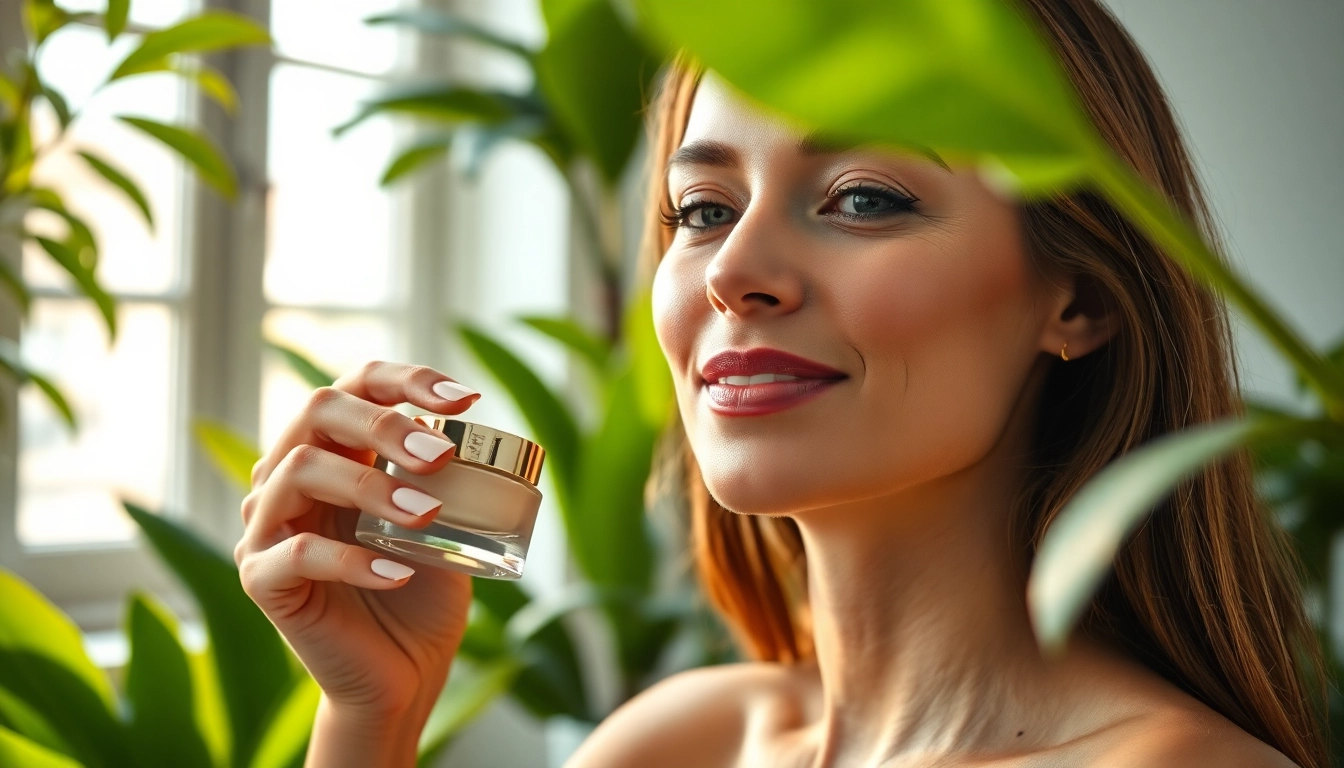
What is Astaxanthin and its Role in Skin Health?
Definition and Origins of Astaxanthin
A powerful carotenoid, astaxanthin is predominantly found in algae, shrimp, and various fish, contributing to their vibrant coloration. Its unique chemical structure allows it to be a potent antioxidant, surpassing many others, including vitamins C and E, in effectiveness. Derived mainly from the microalgae Haematococcus pluvialis, astaxanthin is renowned for its natural origins in the aquatic environment, where it plays a role in the survival of marine species by protecting their cells from oxidative stress.
Antioxidant Properties of Astaxanthin
The antioxidant capacity of astaxanthin is a fundamental reason for its growing popularity in skincare. It acts by neutralizing free radicals—unstable molecules that can cause cellular damage and accelerate aging. Studies have shown that astaxanthin can effectively penetrate the skin, allowing it to combat oxidative stress directly where it occurs. This has led to an interest in astaxanthin as a supplement and topical application for skin health, as it promises not only protection but also rejuvenation for damaged skin.
How Does Astaxanthin Help Skin?
Astaxanthin's role in skin health involves multiple mechanisms. It enhances skin elasticity, promotes hydration, and alleviates inflammation. Specifically, its ability to improve collagen production makes it a standout among natural ingredients. Collagen, a protein essential for skin integrity, diminishes with age and UV exposure. By promoting collagen synthesis, astaxanthin assists in maintaining a youthful appearance. For a more detailed analysis of how astaxanthin can enhance your skincare regimen, check out how does astaxanthin help skin.
Benefits of Astaxanthin for Skin Protection
Reducing UV Damage
One of the most significant benefits of astaxanthin is its ability to provide protection against ultraviolet (UV) radiation. Prolonged exposure to sunlight can cause various skin issues, including premature aging and skin cancers. Various studies suggest that astaxanthin can reduce UV-induced skin damage by enhancing skin's resilience to sun exposure, minimizing redness and inflammation, thereby giving your skin a better chance to heal from environmental aggressors.
Combatting Free Radicals
Free radicals are formed when our skin is exposed to pollution, UV rays, and other environmental stressors. Astaxanthin, with its potent antioxidant properties, effectively mitigates the harmful effects of these free radicals. By neutralizing them, astaxanthin not only helps in protecting existing skin cells but also supports the regeneration of new skin cells, contributing to an overall healthier skin barrier.
Enhancing Skin Hydration
In addition to its protective abilities, astaxanthin also plays a significant role in skin hydration. By preventing moisture loss and reinforcing the skin barrier, astaxanthin enhances the skin's ability to retain water, resulting in a plumper, more radiant complexion. A hydrated skin barrier not only appears smoother but also is less prone to irritation and damage from environmental factors.
Forms of Astaxanthin in Skincare Products
Topical Applications: Creams and Serums
Astaxanthin is frequently incorporated into creams and serums for its skin benefits. Topical applications allow for immediate absorption, targeting specific areas where skin rejuvenation is required. Products like anti-aging creams and hydrating serums are ideal candidates for astaxanthin insertion due to their higher concentrations of active ingredients, offering more significant effects.
Dietary Supplements with Astaxanthin
In addition to topical products, astaxanthin supplements are available in capsule or softgel form. These supplements provide systemic benefits, working from the inside out. They can enhance overall skin health and work synergistically with other vitamins and minerals that support skin vitality, making them an attractive addition to anyone's beauty regimen.
Combination with Other Skincare Ingredients
Astaxanthin can be effectively combined with other skincare ingredients to enhance its efficacy. For instance, pairing it with hyaluronic acid can help maximize hydration benefits, while inclusion with vitamin C can further boost its antioxidant capability, offering comprehensive skin protection and rejuvenation. Skincare products that leverage such combinations can deliver amplified results and cater to various skin types.
Application Tips for Maximizing Results
When to Use Astaxanthin Products
Timing can play a crucial role when incorporating astaxanthin into your skincare regimen. Applying astaxanthin products during your morning routine can provide a protective barrier against daily environmental stressors. For maximum efficacy, consider using it at night to support skin renewal while you sleep when the skin undergoes repairs.
Layering with Other Skincare Products
Layering astaxanthin with other products, such as moisturizers and sunscreens, can enhance overall skin health. Always apply products from thinnest to thickest, allowing each layer to absorb properly. For example, if combining astaxanthin with a hydrating serum, it’s best to apply the serum before your moisturizer to lock in hydration effectively.
Frequency of Use for Optimal Benefits
Regular use of astaxanthin is vital for optimal benefit. Most experts recommend integrating it into your routine at least once daily. Depending on the product formulation, whether serum or cream, the frequency may vary, but consistent use tends to yield better long-term results, especially in terms of hydration and skin elasticity.
Frequently Asked Questions About Astaxanthin
How Does Astaxanthin Help Skin Health?
Astaxanthin enhances skin health by providing antioxidant protection, promoting collagen production, and improving hydration and elasticity, leading to a more youthful appearance.
Are There Any Side Effects?
Astaxanthin is generally considered safe with minimal side effects. However, sensitive individuals may experience mild skin irritation. Always patch-test new products.
Can I Use Astaxanthin If I Have Sensitive Skin?
Yes, astaxanthin is well-tolerated even by sensitive skin types due to its anti-inflammatory properties. It can aid in calming irritation and improving overall skin health.
How Long Until I See Results?
Results can vary, but many users report visible improvements in hydration and texture within a few weeks of consistent use. Long-term benefits, like increased elasticity, may take several months.
Is Astaxanthin Safe During Pregnancy?
While astaxanthin is considered safe, it's advisable for pregnant women to consult a healthcare provider before use, especially concerning dietary supplements.