Understanding AI Image Detection Technology
Artificial Intelligence (AI) has revolutionized various aspects of our lives, from how we interact with technology to the tools we use for creativity. One of the most exciting innovations in this realm is AI image detection technology. This technology enables users to determine whether an image has been created or manipulated by AI, raising important questions about authenticity and trust in digital media. As businesses and individuals strive for accuracy in their digital content, understanding how these systems work becomes vital. When exploring options, free ai detector tools offer comprehensive insights, allowing users to upload images for analysis quickly and at no cost.
What is AI Image Detection?
AI image detection refers to the process of using algorithms and machine learning techniques to analyze images and identify patterns that could indicate whether they were created by a human or generated by AI. This detection can involve assessing various elements of an image, including its metadata, composition, and even pixel-level anomalies that a human eye might overlook. With the rapid advancement of AI technologies, these detectors have gained importance, especially in fields like journalism, academia, and law enforcement.
How does the free AI detector work?
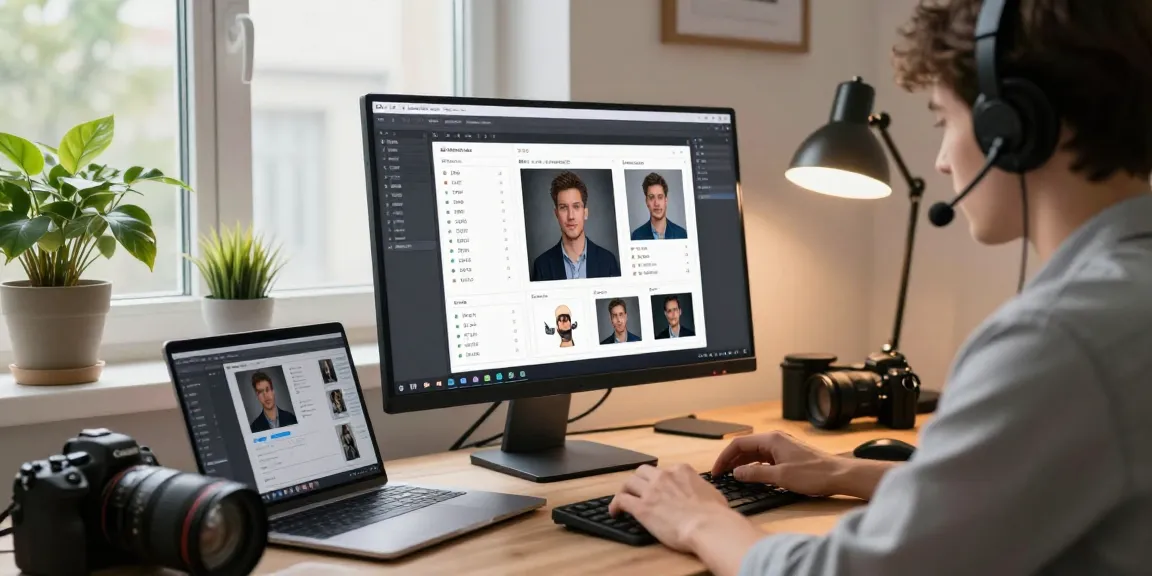
The functioning of a free AI detector is rooted in complex algorithms that analyze the unique characteristics of an image. Users can simply upload an image file, and the detector begins a multi-step process:
- Image Upload: Users can drag and drop files directly or browse their device for JPG, PNG, WebP, or GIF files up to 20MB.
- Pattern Recognition: The AI scans for recognizable patterns and artifacts that commonly appear in AI-generated images.
- Metadata Analysis: The tool reviews image metadata, which may contain information about the creation process that can help ascertain if AI was involved.
- Probability Scoring: Finally, the tool provides a detailed probability score and confidence level indicating the likelihood of AI involvement.
This process not only provides a quick assessment but also enhances user understanding of the nuances distinguishing human-generated content from AI creations.
Key technologies behind AI image analysis
Several advanced technologies power AI image analysis, including:
- Machine Learning: Algorithms trained on vast datasets enhance their ability to classify images accurately.
- Deep Learning: Neural networks allow for more nuanced detection by mimicking human cognitive processes in visual perception.
- Computer Vision: This technology enables machines to interpret and understand visual information from the world, leading to better analysis and detection outcomes.
These technologies work in tandem to improve the accuracy and efficiency of AI image detectors, making them essential tools for modern content verification.
Applications of Free AI Detectors
Use cases in digital media and content creation
AI image detectors have found numerous applications in the realms of digital media and content creation. For content creators, these tools can ensure the authenticity of images used in their works, thereby maintaining credibility and avoiding potential legal issues. Journalists rely heavily on these detectors to verify images before publication, ensuring that they do not disseminate misleading information that could damage their reputation.
AI detection in academic settings
In academic environments, the implications of AI image generation are profound. Educators are increasingly using AI image detectors to verify the authenticity of student submissions and research materials. These tools help uphold academic integrity and deter students from submitting AI-generated visuals as their own work. Furthermore, during research presentations, scholars verify images to ensure the integrity of their findings.
Legal implications of AI-generated images
The rise of AI-generated images has introduced significant legal ramifications. Content ownership and copyright issues arise when distinguishing between human and AI-created works. Legal professionals are leveraging AI image detectors to ascertain the origins of images presented in court. Such verification can aid in establishing the authenticity of evidence and intellectual property claims, marking a pivotal shift in legal proceedings.
Choosing the Right Free AI Detector
Factors to consider when selecting an AI image checker
When choosing a free AI detector, several factors are crucial for ensuring effectiveness:
- Accuracy: Look for detectors that provide detailed scoring and statistical confidence levels in their findings.
- Supported Formats: Ensure the tool supports a wide variety of image formats for versatility.
- User Experience: A straightforward interface enhances usability, especially for non-technical users.
- Privacy Policies: Understanding how the tool manages uploaded images and user data is vital for privacy-conscious individuals.
Top features to look for in free AI detection tools
When seeking the best free AI detection tools, prioritize these features:
- Drag-and-Drop Functionality: Simplifies the uploading process, making it user-friendly.
- Detailed Reporting: Offers insights into what elements led to the detection results.
- High Scalability: Supports multiple checks per hour without overwhelming the user.
- API Access: Provides integration options for developers wanting to embed image analysis capabilities in their applications.
Comparing popular free AI detectors
In a crowded market, comparing free AI detectors is essential to identify the best fit for your needs. Popular tools such as GPTZero, QuillBot, and Grammarly each have their unique strengths and weaknesses. For instance, while some offer more detailed scoring, others may provide better user experiences. It's essential to analyze user reviews, accuracy scores, and ease of use before making a decision.
The Future of AI Image Detection
Emerging trends in AI image technology for 2026
As technology evolves, so will AI image detection. Emerging trends indicate a sharper focus on enhanced accuracy through more sophisticated algorithms that can better mimic human perception of images. Additionally, advancements in augmented reality (AR) and virtual reality (VR) are likely to impact detection methods and applications, as the lines between real and artificial visuals blur further.
Potential advancements in accuracy and functionality
Future AI image detectors are expected to integrate even deeper learning methods, improving their understanding of context within images. This means future tools may not only detect AI-generated content but also analyze the intent behind the imagery, leading to more contextual and nuanced assessments.
AI image detection in a rapidly evolving digital landscape
The rapid pace of digital evolution necessitates adaptive technologies. AI image detection will need to keep up with trends in content creation and manipulation. Continuous updates and training on new datasets will be crucial for maintaining effectiveness against increasingly sophisticated AI models. As societal reliance on digital content grows, the demand for reliable detection tools will continue to rise.
Frequently Asked Questions
What image formats does the free AI detector support?
The free AI detector supports a variety of common image formats, including JPG, PNG, WebP, and GIF. This wide range ensures that users can upload most images they encounter without issue.
Is the free AI detector accurate for all types of images?
While the free AI detector provides a high level of accuracy for many image types, its performance can vary depending on the complexity of the image and the nature of AI modifications. Continuous updates and training on diverse datasets help improve overall accuracy.
Do you offer API access for developers?
Yes, many free AI detectors offer API access, enabling developers to integrate image detection capabilities into their own platforms and applications, which can enhance existing workflows and tools.
Can I perform multiple checks simultaneously?
Most free AI detectors allow users to execute multiple checks per hour, although there may be some limitations based on the specific tool. It's essential to review the terms of service for each platform to understand any restrictions.
What are the limitations of using a free AI detector?
While free AI detectors offer valuable insights, they may come with limitations such as lower accuracy compared to paid options, restrictions on the size and number of images you can upload, and potential privacy concerns regarding data handling and storage.