Understanding AI and Blockchain Synergy
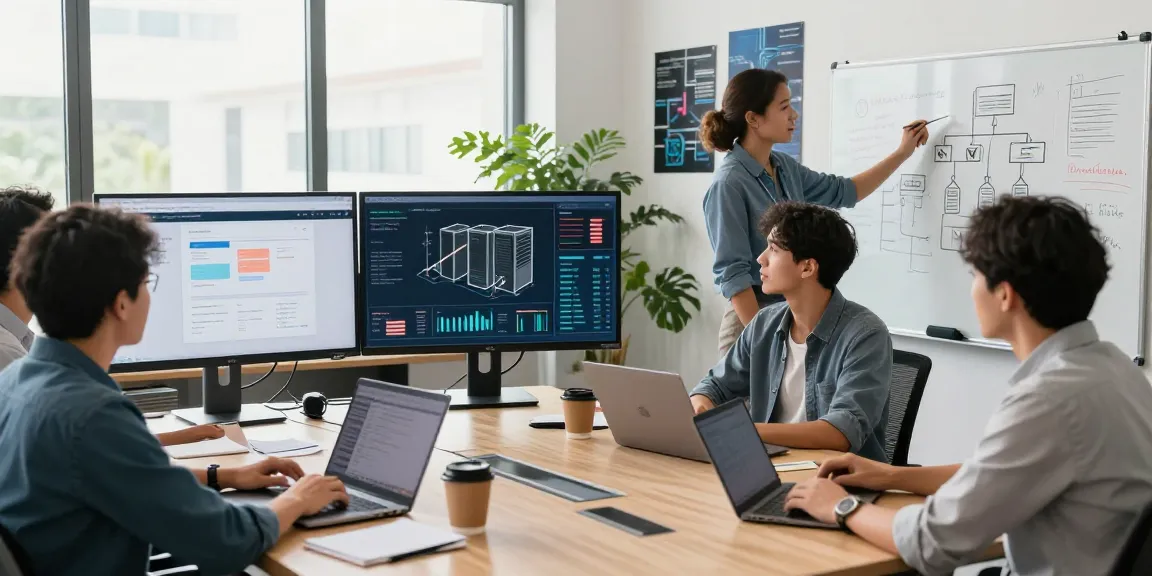
As industries across the globe look for innovative solutions to enhance efficiency and security, the synergy between artificial intelligence (AI) and blockchain technology has emerged as a pivotal area of focus. AI can analyze vast amounts of data with astonishing speed, while blockchain provides a secure, immutable ledger for transactions. The convergence of these two technologies leads us to the concept of EORMC, which stands for the integration of Enhanced Operations through AI and Blockchain. This article dives deep into the implications, frameworks, and potential of EORMC development.
Defining Key Concepts
Before delving into the significance of EORMC, it’s essential to clarify the primary components involved: AI and blockchain technology. AI refers to systems and algorithms that simulate human intelligence, enabling learning, reasoning, and problem-solving. Blockchain, on the other hand, is a decentralized digital ledger that records transactions across many computers, ensuring that the recorded transactions cannot easily be altered. Understanding these definitions lays the groundwork for exploring their integration.
Importance of Integration
The integration of AI and blockchain could potentially address numerous challenges faced in various sectors. For example, while blockchain ensures secure data transactions, AI can interpret and utilize this data for decision-making. This kind of synergy can enhance transparency, traceability, and accountability throughout processes—from financial transactions to supply chain management.
Challenges in Combining Technologies
Despite the promising prospects, integrating AI algorithms with blockchain technology presents several challenges. Data privacy concerns, high computational costs, and the initial complexity of implementing these technologies are significant barriers to entry. Furthermore, there's a need for a standard protocol to facilitate communication between AI systems and blockchain networks, making collaboration among various entities more manageable.
Core Components of EORMC in Blockchain
Blockchain Frameworks
For EORMC to flourish, several blockchain frameworks need to be considered. Ethereum, Hyperledger Fabric, and Corda are among the most commonly utilized. Each framework has unique characteristics, equipped to handle different use cases effectively. Ethereum is known for smart contracts, so it's an excellent choice for projects requiring complex automation. Conversely, Hyperledger targets enterprise solutions, offering permissioned access which increases security.
AI Algorithms for Analytics
At the core of EORMC are various AI algorithms that perform data analytics to enable predictive modeling, pattern recognition, and decision-making. Machine learning techniques, particularly supervised and unsupervised learning, play a significant role in interpreting the data stored on the blockchain. By harnessing these algorithms, businesses can extract actionable insights, optimizing their operational efficiencies.
Data Privacy and Security Measures
Tackling data privacy and security is crucial in EORMC. With regulations like GDPR in effect, organizations must ensure that user data is processed transparently and securely. Combining AI’s dynamic capabilities with blockchain’s decentralized nature creates a secure environment to manage sensitive information, ensuring that data transactions are not only validated but stored safely.
Use Cases of EORMC in Various Industries
Finance Sector Applications
The financial sector stands to gain immensely from EORMC integration. AI algorithms can analyze financial activities and detect fraudulent transactions in real-time. Blockchain technology provides a transparent history of transactions, which can help reduce fraud and enhance regulatory compliance. Furthermore, smart contracts can streamline billing and payment processes, saving institutions time and resources.
Healthcare Innovations
In healthcare, the combination of AI and blockchain can revolutionize patient data management. AI tools can enhance diagnostic accuracy and treatment personalization by analyzing historical patient data, while blockchain technology secures that data from unauthorized access. This enables a clear and trustworthy way to share health records among hospitals, ultimately improving patient care.
Supply Chain Management Enhanced
Supply chain management is another area where EORMC demonstrates significant promise. AI can predict supply chain disruptions by analyzing trends and patterns, while blockchain records every transaction, providing real-time visibility. With these technologies working in tandem, companies can enhance inventory management, forecast demands more accurately, and improve overall supply chain efficiency.
Best Practices for Implementing EORMC Solutions
Methodology for Development
Implementing EORMC solutions requires a well-defined methodology. This includes identifying the key problems to be addressed with AI and blockchain, designing the system architecture, choosing the right technology stack, and engaging stakeholders throughout development. An agile approach can facilitate iterative development, allowing companies to adapt to changes effectively.
Collaborative Approaches
Collaboration is fundamental for the successful implementation of EORMC solutions. Stakeholders from various departments should work together—IT, finance, supply chain, and legal teams must share insights to build comprehensive solutions that align with organizational goals. Cross-disciplinary teams foster creativity and innovation, leading to better integration of AI and blockchain capabilities.
Testing and Iteration Strategies
Testing is a critical phase in deployment, involving unit testing, integration testing, and user acceptance testing. Iterative feedback loops allow teams to refine solutions before widespread implementation. Utilizing pilot programs can help in identifying unforeseen challenges, allowing organizations to address issues before full-scale adoption.
Performance Metrics and Future Outlook
Measuring Success: Key KPIs
Defining performance metrics is crucial to gauge the success of EORMC implementations. Key Performance Indicators (KPIs) could include transaction speed, reduction in fraud incidents, data accuracy, and user engagement. Establishing these metrics at the outset enables organizations to monitor effectiveness continuously and make necessary adjustments based on performance data.
Future Trends in AI and Blockchain
The future of EORMC is promising, with trends such as interoperability, where different blockchain networks can communicate, and the rise of decentralized AI. These advances could lead to enhanced operational efficiencies and broader adoption across various sectors. As organizations explore AI and blockchain integration further, innovative uses will likely emerge, transforming traditional business models.
Final Thoughts on EORMC Adoption
Adopting EORMC principles offers organizations significant advantages, but it also demands careful strategic planning, skilled personnel, and a robust infrastructure. As companies further explore the potential of AI and blockchain technologies, they will uncover new opportunities for growth and innovation. Staying ahead in this rapidly evolving landscape will be key to securing a competitive edge.
Frequently Asked Questions
What is EORMC?
EORMC stands for Enhanced Operations through AI and Blockchain, focusing on integrating AI algorithms with blockchain technology to optimize processes and ensure data security.
How can EORMC be applied in finance?
In finance, EORMC can enhance security, prevent fraud through real-time analytics, and streamline processes using smart contracts, thus improving operational efficiency.
What are the challenges of integrating AI and blockchain?
Key challenges include data privacy concerns, high computational costs, complexity in implementation, and the need for standardized protocols for successful communication.
How does EORMC impact supply chain management?
EORMC improves supply chain management by using AI for demand forecasting and blockchain for transaction transparency, leading to better inventory and efficiency management.
What metrics should be used to measure EORMC success?
Key performance indicators for measuring EORMC success include transaction speed, accuracy of data, fraud reduction rates, and levels of user engagement.